Check out our current Offers: Check Now
EXCITING ENERGY REBATES FOR GEORGIA HOMEOWNERS
Save Up to $8,000 on a New Heat Pump, Available Through Georgia's Home Energy Rebates
The State of Georgia is helping qualifying homeowners upgrade to energy-efficient heat pump systems. One Hour Heating & Air Conditioning is an approved contractor ready to help you check your eligibility in just 2 minutes
100+ 5 Star Reviews
Locally Owned & Operated
Licensed & Insured
Free Consultations
WHO QUALIFIES FOR GEORGIA'S HOME ENERGY REBATES?
You may be eligible if you meet these requirements:
You own a home in Georgia (1-4 unit property)
Your household income is below these limits*
Your home is eligible for an energy-efficient heat pump upgrade

*These are estimates and income eligibility is confirmed upon application submission and review.
Higher Income? Households earning 80-150% AMI may qualify for partial rebates
WHAT DOES THIS REBATE COVER?
Georgia's Home Energy Rebates cover the installation of a qualifying high-efficiency heat pump system for your home. This includes:
Complete heat pump installation for both heating and cooling
Replacement of an existing HVAC system with energy-efficient electric technology
Installation performed by licensed, certified HVAC technicians
Equipment designed to provide reliable comfort in both winter and summer
This rebate covers up to 100% of system cost for qualifying households!
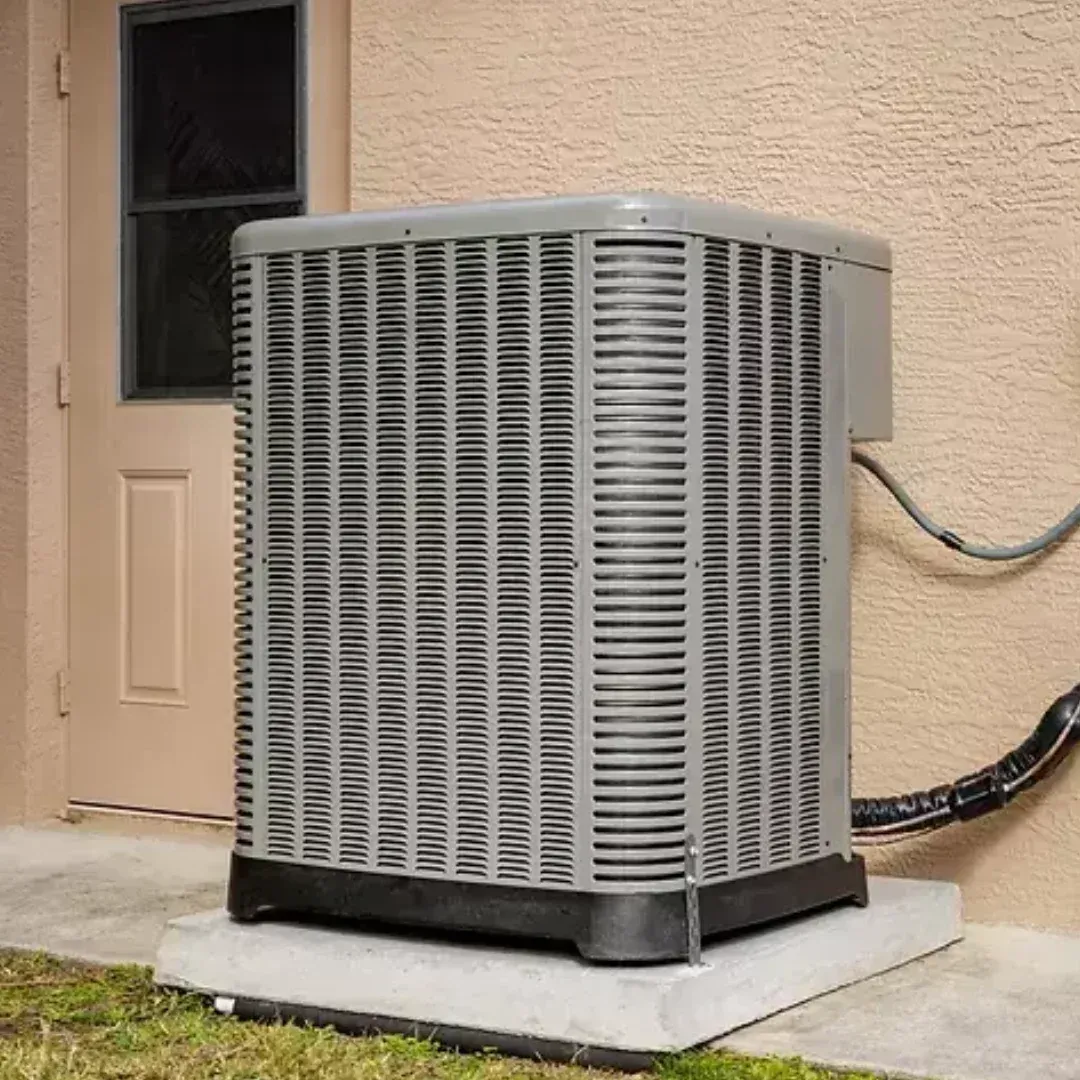
What's a heat pump? A heat pump is an all-in-one heating and cooling system that transfers heat rather than generating it, making it one of the most energy-efficient HVAC options available for homeowners.
HOW IT WORKS
Most projects are completed within 4–6 weeks, depending on eligibility and state approval.
1.
Check Your Eligibility:
Complete a quick pre-qualification form to see if you may qualify.
2.
Free Home Assessment:
We schedule a free in-home evaluation of your current HVAC system.
3.
Application Support:
If eligible, we guide you through the state application process.
4.
Professional Installation:
Once approved, we install your new high-efficiency heat pump system.
CLAIM YOUR REBATE SAVINGS TODAY
Our team will help you qualify for maximum savings on your home upgrades.
We serve North Atlanta homeowners only.
Complete the form below
FREQUENTLY ASKED QUESTIONS
Is this really up to $8,000 off?
Yes. For households earning ≤80% Area Median Income, rebates can cover up to 100% of system cost (up to $8,000)
Do I have to pay anything upfront?
We'll discuss payment options during your assessment. For many qualifying households, out-of-pocket costs are minimal.
How do I know if I'll qualify
Complete the form above. If you pre-qualify, we'll schedule a free assessment and help with the full application
What if my system isn't completely broken?
Eligibility for this rebate requires the installation of a qualifying heat pump and a fuel conversion that meets program regulations. Even if your current system is still working, you may qualify depending on your home’s setup. Our team can review your eligibility.
How long does this take?
Our pre-qualification takes 2 minutes to complete. If eligible, the full process takes 4-6 weeks from application to installation.
READ THE LATEST FROM OUR COMFORT EXPERTS
Helpful articles, tips, and updates from our blog to help you make informed home comfort decisions.
Does Atlanta Pollen Damage My HVAC System, and How Do I Protect It?
Does Atlanta Pollen Damage My HVAC System, and How Do I Protect It?
Yes, pollen can damage your HVAC system, just not the way most articles describe it. The yellow coating on your car in March is mostly a non-issue for your equipment. What actually matters is the invisible tree pollen that slips past a cheap filter, deposits on your evaporator coil, and chips away at efficiency over several seasons. In Atlanta's nine-month allergy window, that accumulation is a real problem.
Why Atlanta specifically
Atlanta Allergy & Asthma runs the only National Allergy Bureau-certified pollen counting station in Georgia. On March 29, 2025, it recorded 14,801 grains per cubic meter, nearly double the prior year's peak. All five of Atlanta's highest pollen counts on record have happened since 2020, and tree season now often starts in February instead of mid-March.
That matters for two reasons generic HVAC advice misses. First, your air handler is running from roughly April through October, seven-plus months of airflow across the evaporator coil. Systems in colder climates get a real winter break. Atlanta systems don't. Second, Atlanta is a geographic pollen trap. The "city in the forest" sits in a basin ringed by hardwood forest, which is why Atlanta counts routinely beat what Charlotte, Nashville, or Birmingham record in the same week.
The yellow dust isn't the problem
The visible pine pollen, the stuff coating your car in late March, runs 60 to 100 microns. It settles fast, and even a basic MERV 8 filter stops it. It also doesn't trigger most allergy symptoms because the grains are too large to reach your lungs.
What matters is the fine pollen from oak, birch, sycamore, hickory, and mulberry. Those grains run 20 to 35 microns: invisible, airborne for hours, and they pass through a cheap filter without much resistance. Add Bermuda grass in May and June and ragweed from late August through October, and you have nearly continuous fine-particulate loading from late winter through fall.
How it actually damages your system
The evaporator coil is where most of the real damage happens. Fine pollen deposits on the coil fins over years, increasing resistance and reducing the volume of air moving across the coil. Lawrence Berkeley National Laboratory research by Siegel, Walker, and Sherman (2002) found typical residential coils can double their evaporator pressure drop in 7 to 11 years, well before the coil would otherwise need replacement. In healthy systems, that translates to under 5% efficiency loss, but when airflow drops 25%, ASHRAE-cited research by Yang et al. (2007) shows cooling capacity can drop 12% and efficiency by a similar margin. Systems that were already undersized take a bigger hit than those averages.
The outdoor condenser coil is the one homeowners worry about, but ASHRAE research project RP-1705, which studied condenser air-side fouling using field-collected units, found condenser fouling has much less impact than the industry assumed. For systems with a fixed orifice expansion valve, a 10% airflow reduction across the condenser caused roughly 0.8% capacity loss and 2% efficiency loss. Rinse it because matted debris can eventually cause head pressure problems, not because a dusty condenser is destroying the compressor. It isn't.
Biological growth is the third issue, and the one most people don't think about. Pollen is organic matter. On a wet evaporator coil in Atlanta's summer humidity, with dew points regularly in the 70s, it feeds mold and Aspergillus colonies, a colonization pattern specifically documented in field studies of fouled evaporator coils. That's often the mechanism behind a musty smell when the AC kicks on, and cleaning the coil doesn't always fix it if growth is already established.
What to do about it
Ranked by actual payoff, not what sounds virtuous:
1. Change the filter every 30 days from late February through June. During peak tree season a 1-inch pleated filter loads up roughly twice as fast as usual. In older intown neighborhoods with dense tree canopy (Inman Park, Kirkwood, Virginia-Highland), 30-day replacement is the right default. Newer construction in Alpharetta, Johns Creek, and Roswell, where envelopes are tighter and tree cover is lighter, can often stretch to 45 days in shoulder seasons.
2. Be skeptical of blanket MERV 13 recommendations. For many Atlanta homes it's fine. For systems with 1-inch filter slots, undersized return ductwork, or older blower motors, a MERV 13 can reduce airflow enough to freeze the evaporator in summer. The research is consistent: high-MERV filters on underpowered systems increase fan energy and can offset the benefit of cleaner coils. If you want better filtration, a 4-inch or 5-inch media cabinet at MERV 11 to 13 gets you there with much lower static pressure. If you're stuck with a 1-inch slot, MERV 11 is a safer ceiling unless you've had a static pressure check done.
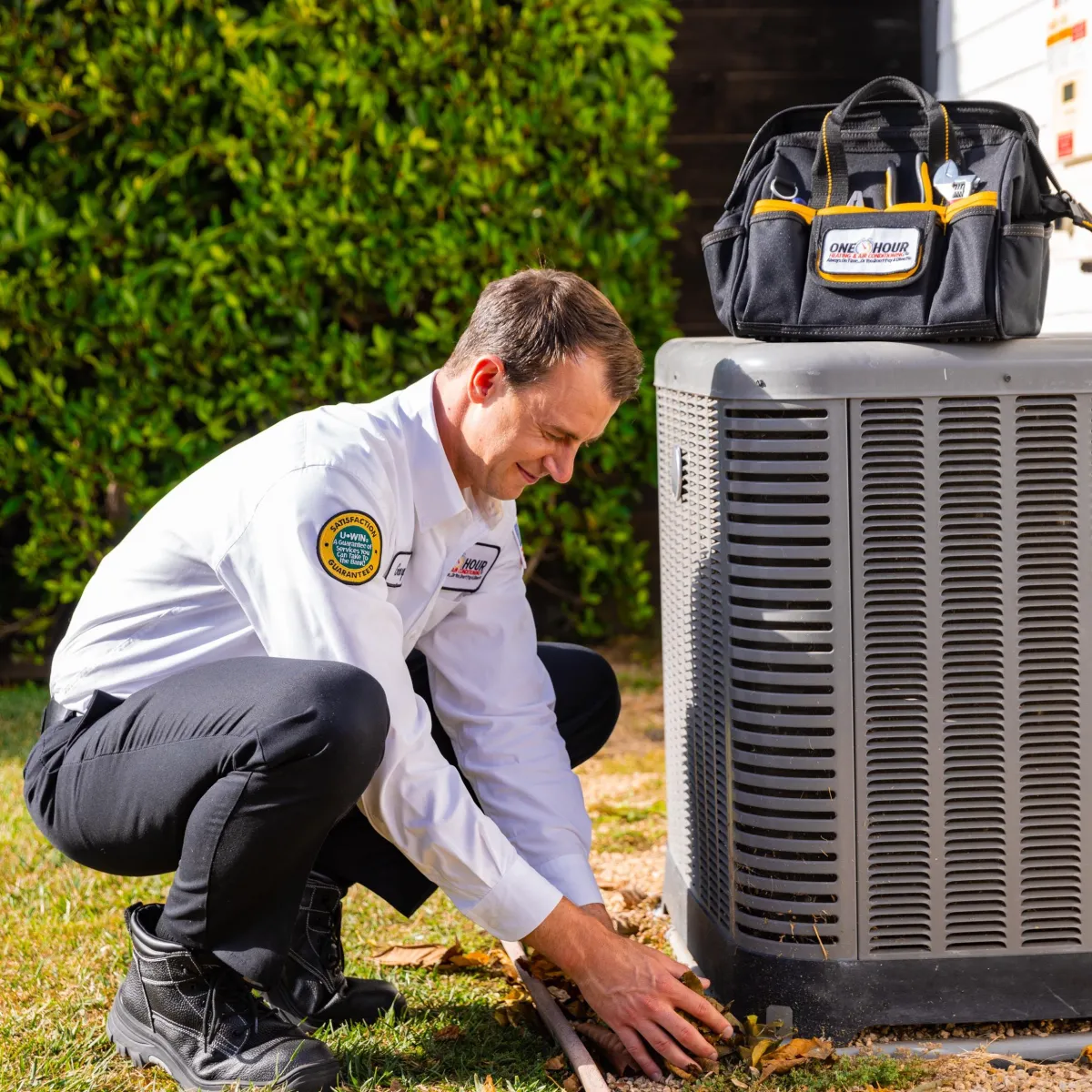
3. Rinse the outdoor unit twice a season. Turn the disconnect off, use a garden hose at normal pressure (not a pressure washer, which bends the fins), and spray top-down through the fins. Once in late April after tree pollen peaks, once in late June after Bermuda grass. It takes 10 minutes.
4. Get the coil professionally cleaned every 3 to 5 years, not annually. The LBNL data doesn't support yearly cleaning for most residential systems. If a tech sees visible buildup on a tune-up, clean it then. Otherwise every few years is a reasonable baseline, sooner if you have pets or if the filter has been neglected.
On the cost side
Georgia Power's standard residential tariff charges a tiered summer rate from June through September: about 8.6¢ per kWh for the first 650 kWh, 14.3¢ per kWh from 651 to 1,000 kWh, and 14.8¢ per kWh above 1,000 kWh. A typical metro Atlanta home hits the top tier every month in summer, which means the marginal kilowatt-hour you waste because of a fouled coil is billed at 14.8¢, not the average rate. A 10% capacity loss in August translates to a real additional 80 to 150 kWh per month, plus longer run times that compound the loss.
As of late 2025 and early 2026, professional evaporator coil cleaning in the Atlanta metro runs $200 to $500 depending on access and system type, and a full duct cleaning $400 to $800. Whether it's worth it depends on how bad the actual buildup is. Get a tech to look before you commit.
When to call someone
Filter changes, rinsing the condenser, and trimming vegetation back from the unit are all DIY. If a company is selling you a quarterly "pollen protection plan" that amounts to filter swaps and a hose rinse, you're paying a premium for a 20-minute job.
Call a pro if the system is short-cycling, if there's ice on the refrigerant line or inside the air handler, if there's a musty smell on startup, or if cooling capacity has clearly dropped compared to last summer. Those symptoms point to airflow restriction severe enough to freeze the coil, microbial growth, or refrigerant issues, and none of them get fixed by a filter change. One Hour Heating & Air Conditioning runs 24/7 across the Atlanta metro if something goes wrong mid-July.
One other call worth making before you upgrade filter MERV rating: have a technician take a static pressure reading. A manometer check takes 15 minutes and tells you whether your system has the headroom or not. Better than buying a case of MERV 13 filters that might be hurting airflow all summer.
Pollen does damage Atlanta HVAC systems, but the real damage happens on a multi-year timeline through fine hardwood pollen accumulating on the evaporator coil, not through the visible pine dust that gets all the attention. Match your filter cadence to Atlanta's pollen calendar, pick a filter your system can actually handle, rinse the outdoor unit twice a season, and get the coil professionally cleaned every few years rather than every spring.
Don't Take Our Word For It: Hear From Real Customers
At One Hour Heating & Air Conditioning of North Atlanta, customer satisfaction isn’t just something we talk about — it’s something homeowners experience every day. From emergency repairs to full system installations, our team is proud to earn the trust of families across North Atlanta.
Why Join The Comfort Club?
Whether you need service, repair, or a system upgrade, our team is here to help. We make it easy to get expert solutions, upfront pricing, and dependable service you can count on.
Comfort Club is the better value if you want:
Year-round maintenance
Fewer surprise problems
Discounts on parts
Savings on system replacement
Included filters twice per year
A simple way to stay ahead of HVAC issues

404-480-4941
1360 Union Hill Rd. STE 5F
Alpharetta, GA. 30004


COMPANY
AIR CONDITIONING
HEATING
Copyright 2026. One Hour Heating & Air Conditioning North Atlanta. All Rights Reserved.