Check out our current Offers: Check Now
AC Repair in
Sandy Springs, GA
AC Repair in Sandy Springs, GA | One Hour North Atlanta
One Hour Heating & Air Conditioning of North Atlanta dispatches 24/7 to Sandy Springs from our office at 1360 Union Hill Rd in Alpharetta, a short drive from Riversong, Windsor at Peachtree, Windsor Heights, and the Perimeter and Northside Hospital corridor. We handle the full range of AC repair for Sandy Springs homeowners, from straightforward capacitor swaps to multi zone diagnostics on first generation zoning equipment now reaching end of life. We hold Georgia HVAC license GAREGCN2011384, EPA 608 certification PFWXHNZ4MT, and NATE certification 1023518, and we're factory authorized on Daikin, Trane, Rheem, and Carrier. Our $89 service call covers the diagnostic and written estimate, waived if you approve the repair. Every repair is backed by our “Always On Time...Or You Don't Pay A Dime!®” guarantee and a 100% Satisfaction Guarantee for two years.
Call (404) 689-4168 for same day AC repair in Sandy Springs.

4.81
Google Reviews
Book Your Same-Day Visit
Need AC Repair service today?
Georgia HVAC license GAREGCN2011384
EPA 608 certification PFWXHNZ4MT
NATE certification 1023518
Daikin
Trane
Rheem
Carrier
What We Repair on Residential AC Systems
A residential AC system has dozens of components that can fail, and the symptom a homeowner notices rarely points cleanly at the actual cause. Here's the range of repairs we handle on Sandy Springs calls:
Refrigerant problems. Low refrigerant, restricted refrigerant flow, or wrong refrigerant charge from a prior service call. Symptoms include weak cooling, frozen evaporator coils, or the system running constantly without cooling the house.
Frozen evaporator coils. The system ices over and stops cooling. Almost always a symptom of something else, not the actual problem.
Compressor problems. Hard starting, short cycling, or full compressor failure. The compressor is the most expensive single part in the system, and the diagnostic needs to be right before anyone replaces one.
Electrical component failures. Capacitors, contactors, relays, and start kits. These are common failures on systems past the seven year mark and are routine service calls in Sandy Springs' 1970s and 1980s brick ranch neighborhoods where the equipment is on its second or third generation.
Refrigerant leaks. Leaks at the evaporator coil, condenser coil, line set, or service valves. We pressure test, find the leak, and fix it rather than just topping off the refrigerant and waiting for you to call us back.
Drainage and condensate issues. Clogged condensate drains backing up into the indoor unit, overflow switches tripping, or pump failures on units that need them. Sandy Springs' mature tree canopy (oak, pine, sweetgum) drives a heavy pollen load on condensate drains in spring.
Airflow problems. Dirty filters, blocked return air, blower motor failures, or ductwork issues restricting flow. A system can have perfectly good refrigerant pressures and still not cool the house if airflow is wrong, and Sandy Springs has a lot of homes with original 1970s and 1980s ductwork that's now a major airflow problem on its own.
Thermostat and control problems. Thermostat failures, wiring issues, or compatibility problems with smart thermostats installed by homeowners or third parties. Sandy Springs has a mix of older mechanical and digital thermostats in 1970s and 80s ranch homes alongside Nest, Ecobee, and Honeywell smart thermostats in the newer Perimeter infill.
Sensors and safety switches. Float switches, high pressure switches, low pressure switches, and freeze stats. These shut the system down to protect it, and the right response is to find what's wrong, not bypass the switch.
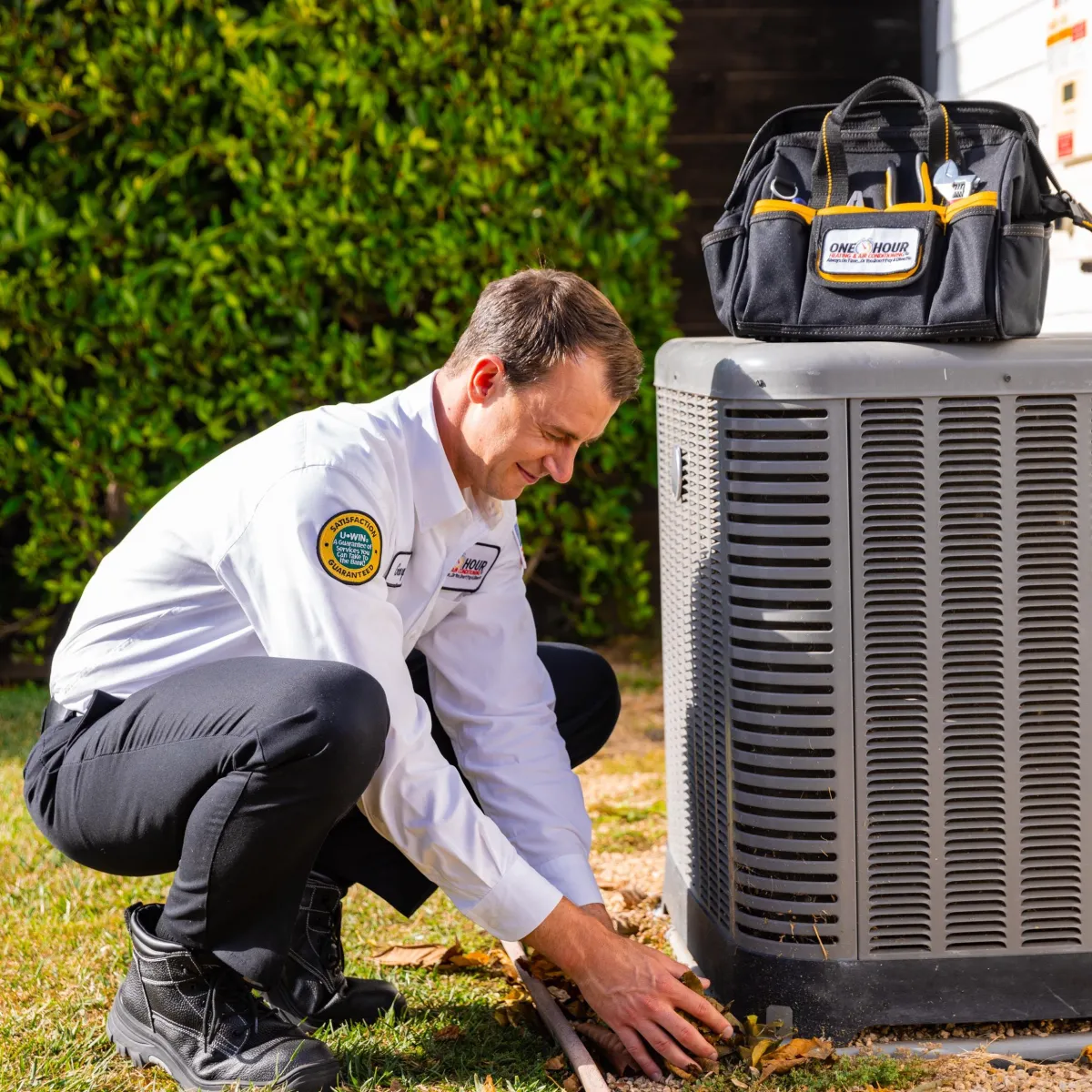
Outdoor unit problems. Fan motor failures, condenser coil damage, debris in the unit, or grade settling causing the pad to tilt. The mature canopy in Riversong, Windsor Heights, and similar established neighborhoods pushes more leaf and pollen debris into outdoor units than you'd see in newer construction.
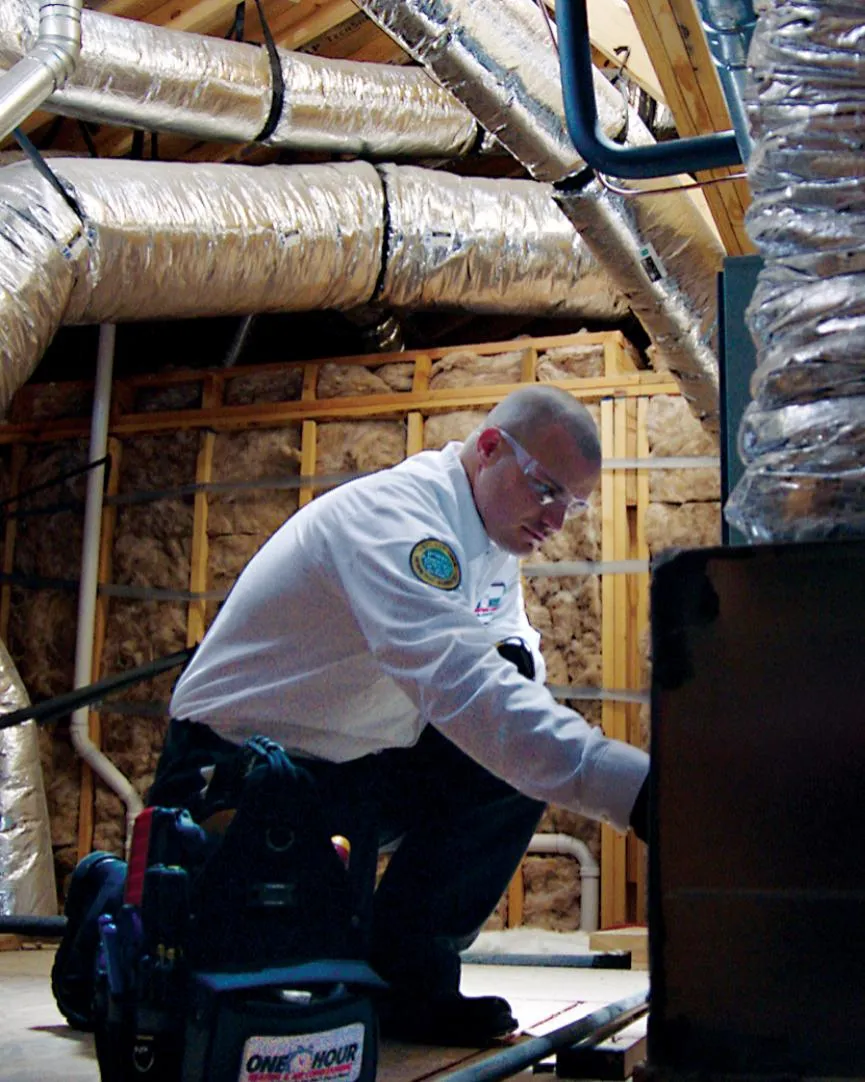
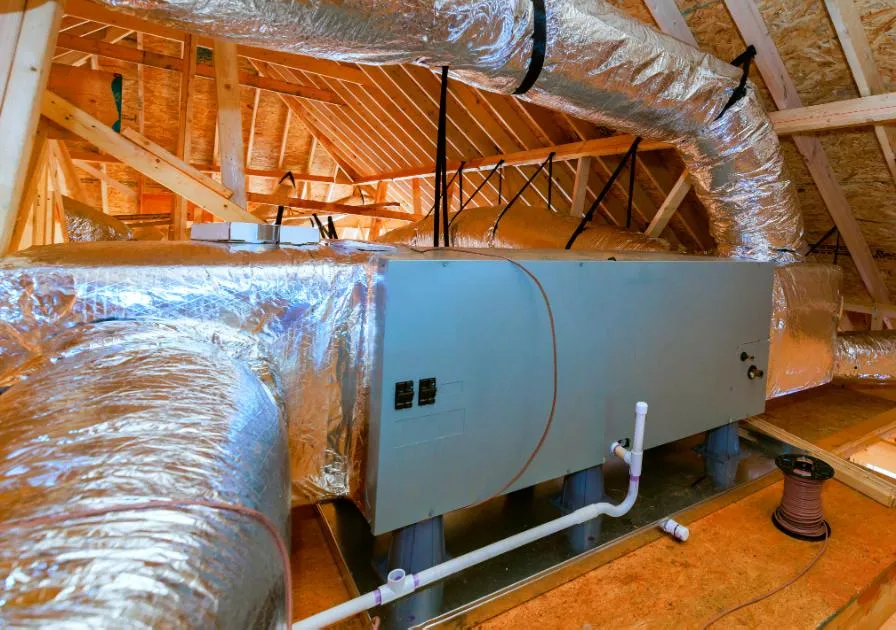
Ductwork issues. Disconnected ducts, crushed ducts, leaking joints, or undersized returns. This is a major category of Sandy Springs work because so much of the housing stock has original 1970s and 1980s ductwork in attics and crawl spaces, and leakage rates of 20 to 30% are common at that age.
Zone control failures. On multi zone systems, zone damper motor failures, control board issues, or sensor problems that cause one zone to cool while another doesn't. Sandy Springs has two distinct populations of multi zone systems: first generation zoning retrofitted onto 1970s and 80s ranch homes in the 1990s and 2000s, which is now reaching end of life, and newer factory installed multi zone equipment in 2010s and 2020s Perimeter and Northside luxury construction.
How We Diagnose AC Problems
The diagnostic process is the same on every call regardless of brand, age, or system type:
1. Listen to what the homeowner describes happening. When it started, what changed, what's normal for the system.
2. Check the thermostat and zone controls. On Sandy Springs multi zone systems, we confirm whether the system is original factory zoning or a 1990s/2000s retrofit, because the diagnostic approach differs.
3. Check airflow at the equipment and at the rooms. Sandy Springs ductwork in 1970s and 80s homes commonly leaks 20 to 30%, and that gets investigated before chasing equipment problems.
4. Check refrigerant pressures against the manufacturer's spec on the unit nameplate, not against a generic chart.
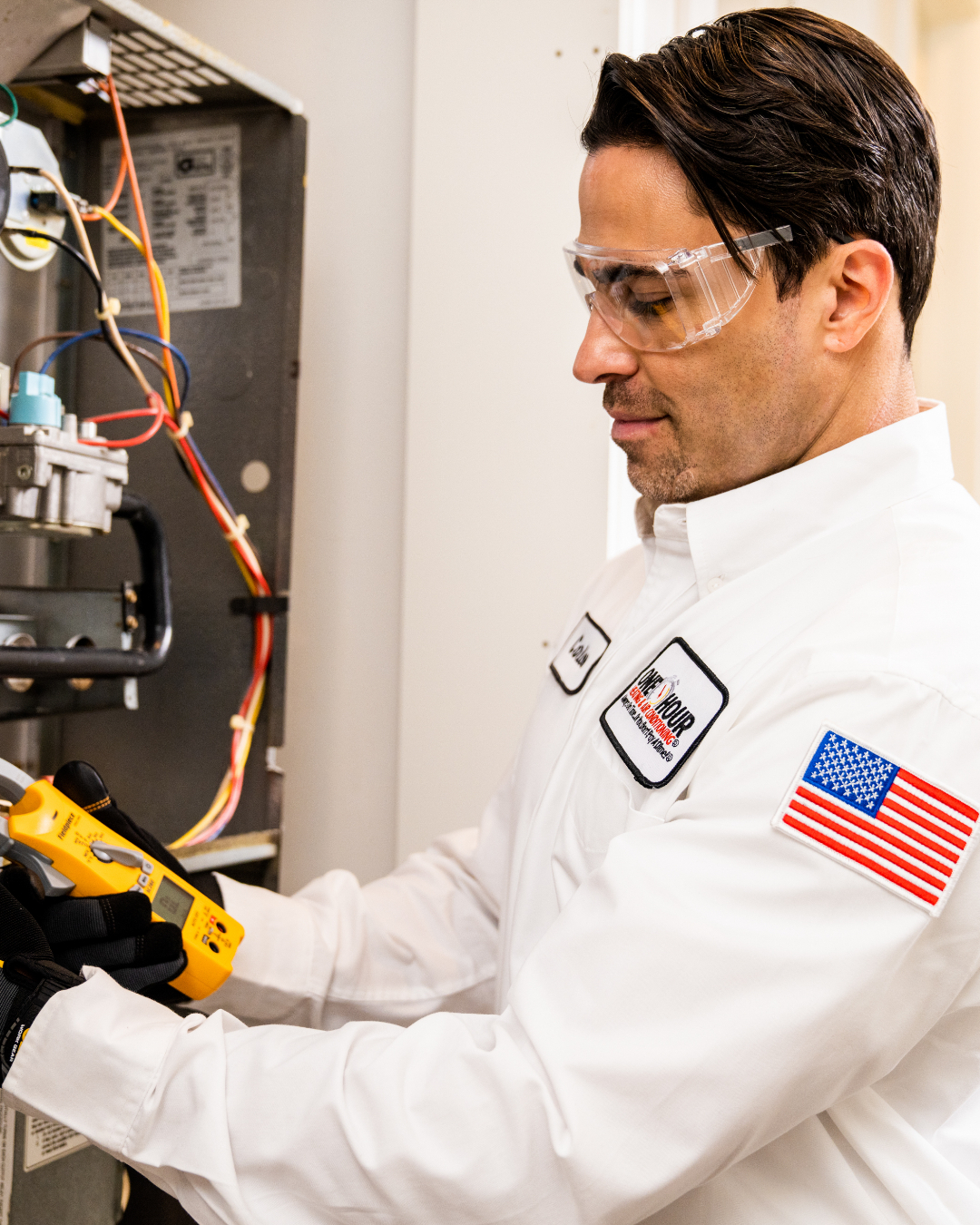
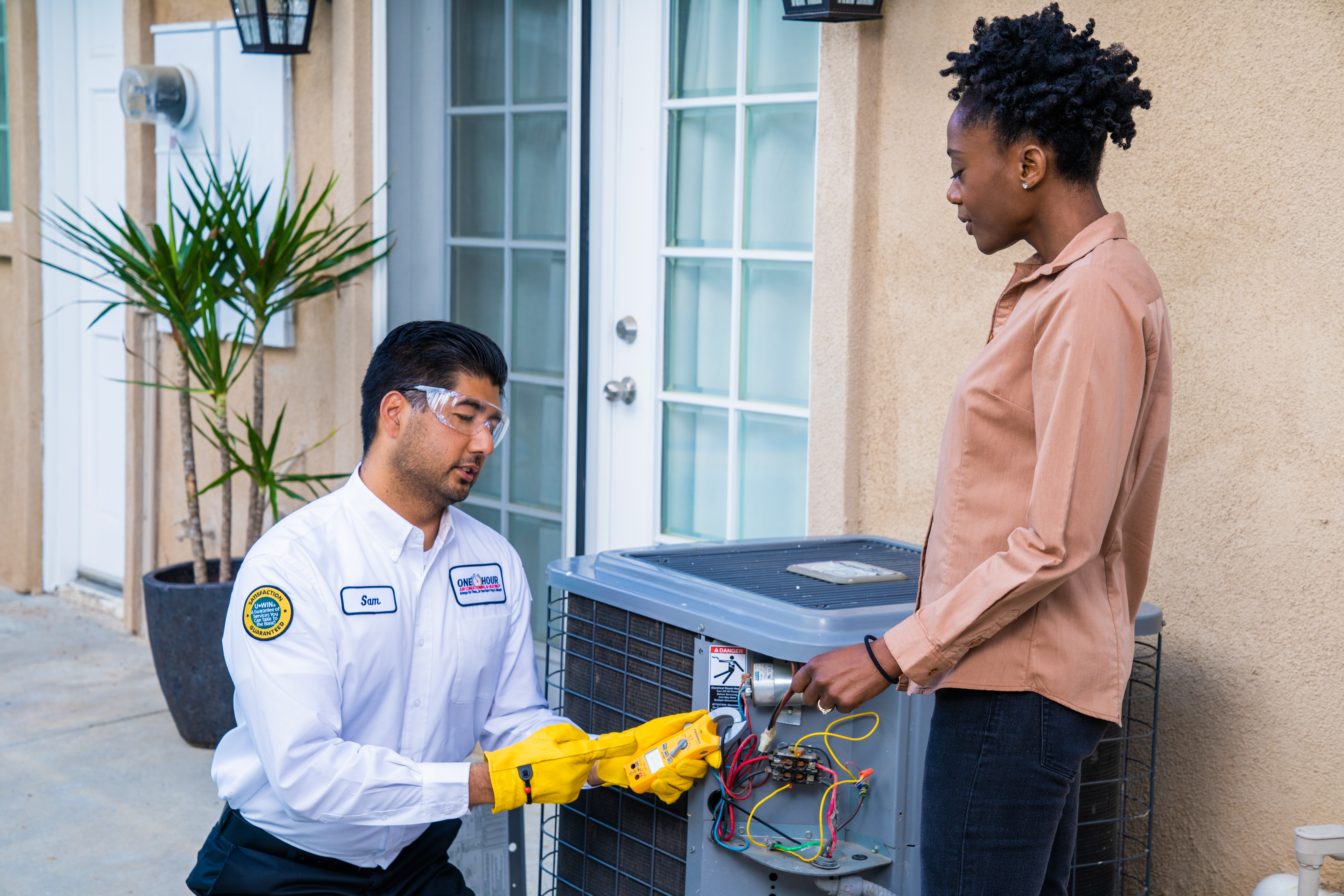
Check electrical components with a meter. Capacitors get tested against their rated value, not eyeballed.
5. Check the outdoor unit, the indoor unit, and the connections between them.
6. Walk through findings with the homeowner before any repair work starts.
7. Provide a written estimate. The homeowner approves or declines before any parts come off the truck.
The $89 service call covers the visit, the full diagnostic, and the written estimate. If you approve the repair, the $89 is applied to the repair cost.
AC Repair in Sandy Springs, What's Specific to This City
Sandy Springs incorporated in 2005, and since then HVAC permits and inspections run through Sandy Springs Community Development rather than unincorporated Fulton County. The permit and inspection process has its own fee schedule and scheduling rhythm. Most repair work doesn't require a permit, but system replacements do, and the jurisdictional difference matters when the conversation shifts from repair to replacement.
The housing in Sandy Springs falls into two distinct populations, and they show up on AC repair calls in different ways. The established neighborhoods (Riversong, Windsor at Peachtree, Windsor Heights, the Dunwoody Springs portion of Sandy Springs) are heavily 1970s and 1980s brick mid century ranch and traditional two story construction. The newer Perimeter and Northside Hospital corridor has 2010s and 2020s luxury infill construction with high efficiency multi zone equipment installed from the start.
On the older 1970s and 80s housing, the equipment we see most often is now on its second or third generation. The AC was retrofitted into homes that weren't originally designed for central air, the ductwork is original and leaks 20 to 30% in attics and crawl spaces, and many of these homes had single zone systems converted to two zone in the 1990s or 2000s. That first generation zoning equipment, the zone control boards, damper motors, and bypass dampers, is now itself at end of life and showing up in our service calls. Diagnosing a problem on a 1990s zoning retrofit isn't the same diagnostic as diagnosing a problem on a factory installed multi zone system.
On the newer Perimeter and Northside infill, the equipment is mostly 2010s and 2020s high efficiency variable speed or two stage systems with factory installed zone control. The repair pattern is different: instead of zoning retrofit failures, we're seeing communicating system board failures, variable speed compressor control issues, and electronic expansion valve problems. The diagnostic process needs proprietary tools and brand specific procedures more often.
The mature tree canopy across established Sandy Springs neighborhoods (oak, pine, sweetgum dominant) drives a heavy pollen and debris load on outdoor units and condensate drains from February through May. Filter changes, evaporator coil cleaning, and condensate drain clearing are heavier maintenance items in Sandy Springs than in less wooded areas.
Problems We See More Often in Sandy Springs Homes
First generation zoning retrofit failures in 1970s and 80s ranch homes. Homes in Riversong, Windsor Heights, and similar established neighborhoods often had two zone systems retrofitted onto single zone equipment in the 1990s and 2000s. The zone control board, damper motors, and bypass dampers from that retrofit era are now twenty plus years old and failing. The repair conversation is usually whether to fix the failed zone component or rethink the zoning approach entirely if the underlying equipment is also approaching replacement age.
Aging 1970s and 80s ductwork masquerading as AC capacity problems. A homeowner calls because rooms aren't cooling evenly, and the diagnostic finds that the AC equipment is fine but the ductwork is leaking 20 to 30% in the attic or crawl space. The fix isn't a refrigerant top off or a new compressor, it's ductwork sealing or replacement. We walk through this conversation regularly on Sandy Springs calls.
Pollen and debris clogging condensate drains in mature canopy neighborhoods. The oak, pine, and sweetgum canopy throughout Sandy Springs drives a heavier condensate drain clog rate than you'd see in newer construction with less mature trees. We clear the line, treat it, and walk through the maintenance schedule to keep it from recurring through spring pollen season.
Communicating system and variable speed control failures in Perimeter and Northside infill. Newer luxury construction in the Perimeter and Northside Hospital corridor often has communicating systems where the thermostat, outdoor unit, and indoor unit all talk to each other through proprietary protocols. When something fails on these systems, the diagnostic is more involved and the parts are brand specific. We have the tools and certifications to handle Daikin, Trane, Rheem, and Carrier communicating systems.
What to Expect on the Day
When you call us, dispatch confirms your address and the symptom you're describing. We give you an arrival window, and we hold to it. If we're late, you don't pay for the diagnostic. That's the “Always On Time...Or You Don't Pay A Dime!®” guarantee.
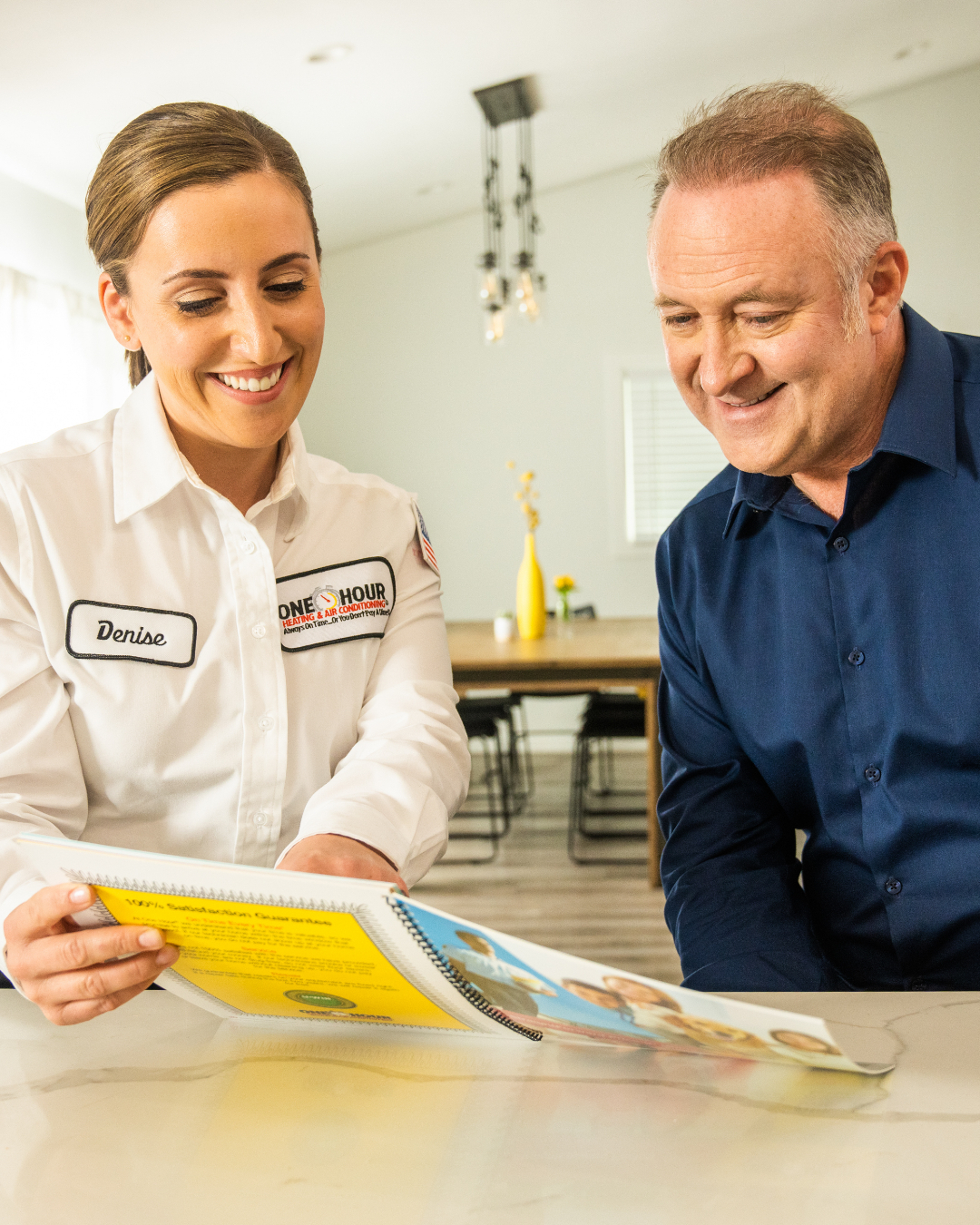
When the technician arrives, they walk through the system with you, run the diagnostic, and walk through findings before any repair work starts. You get a written estimate, you approve or decline, and the repair happens that day in most cases because our trucks carry over 1,500 parts. If the repair needs a part we don't have on the truck, we schedule the return trip and let you know how long. The $89 diagnostic is waived when you approve the repair.
Most AC repair calls in Sandy Springs finish in two hours or less. Multi zone diagnostics, especially on first generation 1990s zoning retrofits, can run longer because there's more system to walk through.
Cost Considerations for Sandy Springs Homeowners
AC repair in Sandy Springs runs $228 to $3,000+ depending on what's wrong. The low end covers capacitor and contactor replacements, which are the most common repair calls on 1970s and 80s brick ranch homes where the equipment is on its second or third generation. The high end covers compressor replacements, full coil replacements, and zone control board replacements on multi zone systems where the parts are less standardized.
First generation zoning retrofits from the 1990s and 2000s tend to push repair costs toward the higher end of that range when the zone control board or damper motors fail, because the parts are harder to source and the diagnostic takes longer. Newer Perimeter and Northside communicating systems can also run higher on diagnostics because of the proprietary tools and procedures.
If your system is twenty plus years old and the repair quote is approaching half the cost of a new system, we'll tell you straight rather than push the repair. AC replacement runs $2,500 to $8,000+ with financing as low as $109/month. A complete HVAC system (AC plus furnace or heat pump combination) runs $7,000 to $25,000+, which is the range that often comes into play on the older Sandy Springs housing where replacing the AC also means addressing the ductwork and potentially the furnace at the same time.
Our Comfort Club membership is $177/year and includes one AC tune up, one furnace tune up, priority scheduling on service calls, and 15% off all repairs. For Sandy Springs homeowners with multi zone systems or homes in the mature canopy neighborhoods where pollen drives more frequent maintenance, the membership math usually works out favorably on a single service call most years. The $89 diagnostic is also waived for Comfort Club members.
Sandy Springs Community Development handles HVAC permits for system replacements. Permit fees [VERIFY: Sandy Springs HVAC permit fee schedule] are billed separately from the repair or replacement cost.
AC Repair in Sandy Springs, GA
24/7 dispatch. Upfront flat rate pricing. "Always On Time...Or You Don't Pay A Dime!"
Recent Work Near Sandy Springs
Windsor Heights brick ranch, original 1978 build with a 2002 two zone retrofit. Homeowner called because the upstairs zone wasn't cooling. Diagnostic found a failed zone damper motor and a stuck bypass damper, plus 25% ductwork leakage in the attic that had been masking the symptom for years. Replaced the damper motor and bypass, sealed the worst ductwork joints, and walked the homeowner through the larger ductwork conversation as a separate decision. Same day repair on the zoning, ductwork scheduled for follow up.
Riversong 1980s traditional two story, original equipment replaced in 2008. Homeowner called because the AC was running constantly without cooling on a 94 degree afternoon. Diagnostic found low refrigerant from a slow leak at the evaporator coil joint plus a partially clogged condensate drain. Pressure tested the system, identified the leak, repaired the joint, cleared the drain, and recharged with R-410A. The homeowner had been topping off refrigerant for two seasons without anyone finding the leak.
Perimeter corridor luxury home built 2018, communicating system with variable speed compressor. Homeowner called because the system was throwing an error code and shutting down. Diagnostic required the brand specific service tool to read the fault code, which pointed to an electronic expansion valve failure. Replaced the EEV, cleared the system codes, ran a full cooling cycle test, and confirmed the variable speed compressor was operating within spec.
Neighborhoods in Sandy Springs
Riversong, Windsor at Peachtree, and Windsor Heights. These established neighborhoods are heavily 1970s and 1980s brick ranch and traditional two story construction. Original ductwork is often in attics or crawl spaces and leaking 20 to 30% by this age. Many homes had single zone AC retrofitted to two zone in the 1990s or 2000s, and that first generation zoning equipment is the most common repair driver now. Mature tree canopy drives heavy pollen load on condensate drains February through May.
Dunwoody Springs portion of Sandy Springs. Similar housing era to Riversong and Windsor Heights, with the added consideration that this part of Sandy Springs sits closer to the Dunwoody border and shares some of the older Dunwoody housing patterns. Original ductwork issues and first generation zoning retrofits are common service items.
Perimeter and Northside Hospital corridor newer infill. The 2010s and 2020s luxury construction in this part of Sandy Springs uses high efficiency multi zone equipment from the factory rather than retrofitted zoning. Repair work here is more often communicating system diagnostics, variable speed compressor control issues, and brand specific electronic component failures.
Gallery and Video
FAQs About AC Repair in Sandy Springs
Does Sandy Springs handle its own HVAC permits, or does Fulton County?
Sandy Springs has handled its own permits and inspections through Sandy Springs Community Development since the city incorporated in 2005. The fee schedule and inspection scheduling are separate from unincorporated Fulton County. Most repair work doesn't require a permit, but system replacements do, and the jurisdictional difference matters at that point.
My AC ices up every few weeks. What's the actual problem?
A frozen evaporator coil almost always means one of three things: low refrigerant from a leak, restricted airflow from a dirty filter or blocked return, or a stuck blower motor. We thaw the system, find the underlying cause, and fix the cause. Just refilling the refrigerant without finding the leak means you'll be calling us back in a month.
My house was built in 1979 and the AC works but rooms cool unevenly. Is the AC the problem?
Probably not, and that's a common Sandy Springs diagnostic outcome. Original 1970s and 80s ductwork in attics and crawl spaces commonly leaks 20 to 30% by now. Uneven cooling, longer run times, and higher utility bills can all trace back to the ductwork rather than the AC equipment itself. We check airflow as part of the standard diagnostic, and the ductwork conversation often comes up before any conversation about equipment.
My 1990s two zone system has a zone that won't cool. Is it worth fixing?
Depends on the underlying equipment age. If the AC and air handler are also approaching end of life, the conversation shifts from fixing the zoning to rethinking the whole system. If the equipment is in good shape and just the zoning is failing, we can repair or replace zone components individually. We walk through the math with you before any decision.
What's different about the AC equipment in newer Perimeter homes versus older Sandy Springs neighborhoods?
Newer Perimeter and Northside infill from the 2010s onward typically has communicating systems where the thermostat, outdoor unit, and indoor unit talk to each other through proprietary brand protocols. Diagnostics require brand specific service tools and procedures. Older Sandy Springs neighborhoods have more conventional equipment, often on its second or third generation, with retrofitted zoning from the 1990s and 2000s. Different equipment, different repair patterns.
Is the Section 25C federal tax credit still available for heat pump installations in Sandy Springs?
No. The federal Section 25C tax credit for air source heat pumps expired December 31, 2025, under the One Big Beautiful Bill Act. Heat pump installations in 2026 and later don't qualify for the previous $2,000 federal credit. Georgia's GEFA rebate program is still active and can be worth significantly more depending on household income and projected energy savings. Geothermal heat pumps still qualify for the 30% federal credit under Section 25D through 2032.
How long does an AC system last in Sandy Springs?
Ten to fifteen years for most homes, less for systems pushed hard by heavy summer humidity and pollen load. Many 1970s and 80s Sandy Springs homes are now on their third generation of AC equipment, and the conversation we have most often is whether the next failure tips into replacement territory or warrants one more repair.
Contact and Directions
One Hour Heating & Air Conditioning of North Atlanta
1360 Union Hill Rd #5F, Alpharetta, GA 30004
Phone: (404) 689-4168
Hours: 24/7 emergency service; standard appointment hours
Georgia HVAC License: GAREGCN2011384
Fully insured and bonded.
Our office is a short drive from Sandy Springs, with regular dispatch to Riversong, Windsor at Peachtree, Windsor Heights, the Dunwoody Springs portion of Sandy Springs, and the Perimeter and Northside Hospital corridor. We respect you, we respect your time, and our trucks carry over 1,500 parts so most repairs finish in a single visit.

404-480-4941
1360 Union Hill Rd. STE 5F
Alpharetta, GA. 30004


COMPANY
AIR CONDITIONING
HEATING
Copyright 2026. One Hour Heating & Air Conditioning North Atlanta. All Rights Reserved.